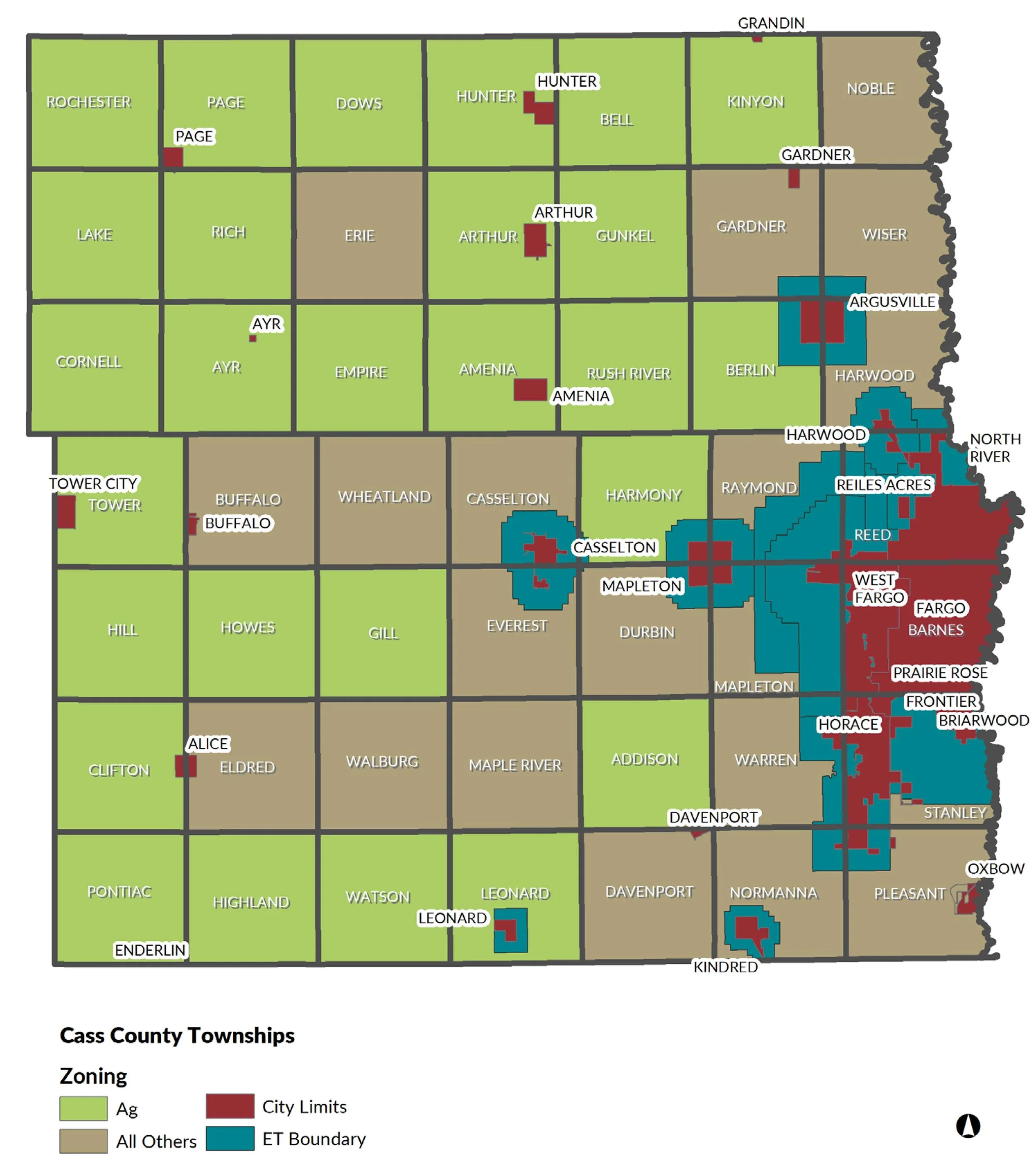
The local tiers of government in Cass County consist of the county, 27 incorporated cities, several additional unincorporated villages, 49 townships, and four water resource districts. This article, more specifically, will explore the role of the Cass County Planning Office and how it teams with the Townships. Republished courtesy the North Dakota Planning Association Newsletter. by Hali A Durand, Cass County, North Dakota
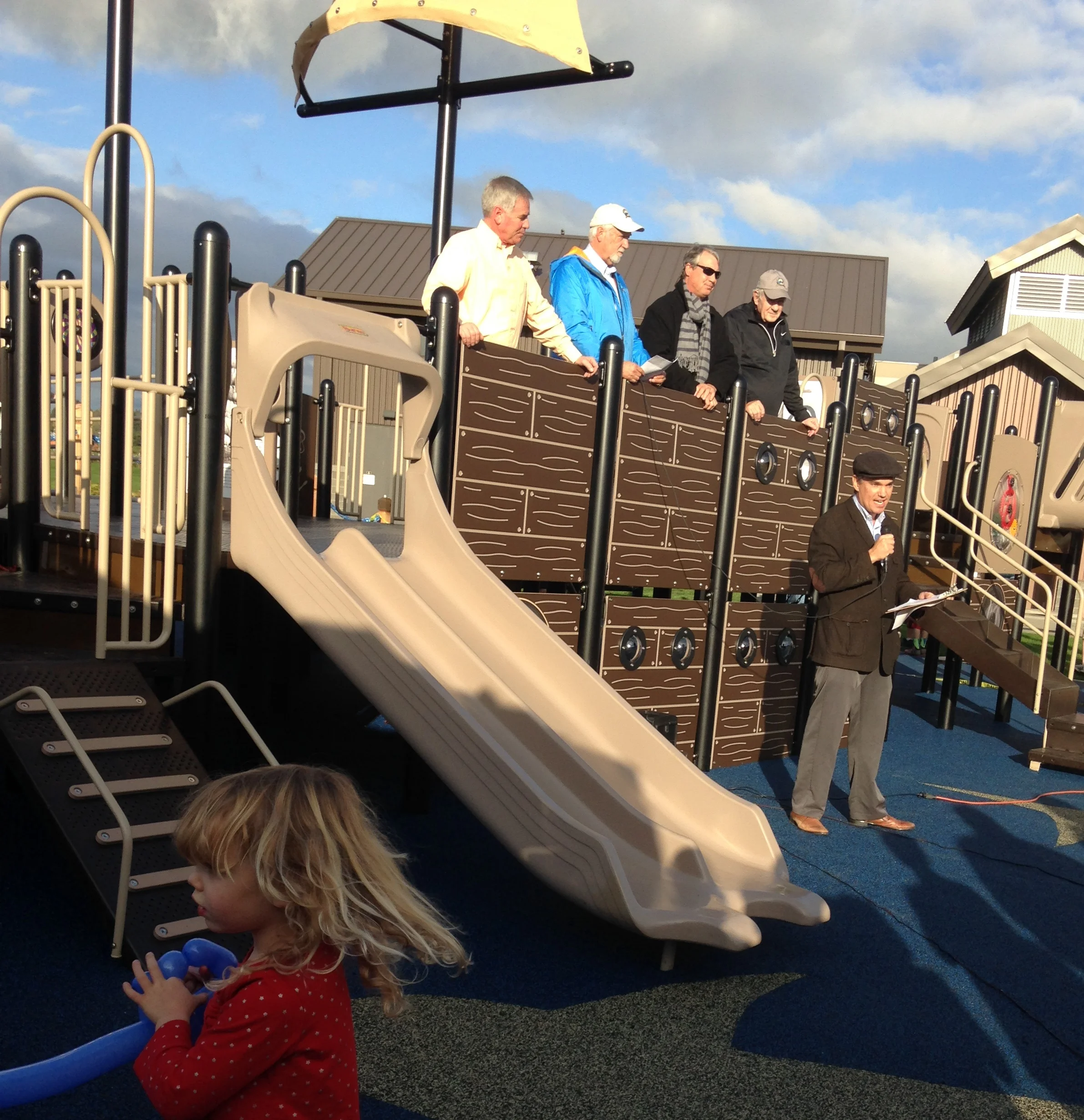
Read MoreWith over a decade of experience as a planner for the small maritime City of Blaine, Washington, Alex Wenger, AICP has designed and built several neighborhood parks and recreational facilities. Some of Alex’s favorite projects have been developing new public beaches and creating a new a nautical themed playground called the Marine Park Playground. Article republished courtesy of the Planning Association of Washington. by Alex Wenger, AICP
Read MoreAs part of Western Planner’s mission to be a resource for planners in the West, we are pleased to offer all WP articles published since 1980 FOR FREE. That is over 2,223 articles covering 37 years of planning issues in the West!
Read MoreJulia Crain has been working for the Butte-Silver Bow Planning Department since 2011. Her formal title is special projects planner, which can encompass most anything that enhances the Butte area, including land uses for specific areas and improving the Silver Bow Creek and Blacktail Creek corridors. By Mike Smith. Article republished courtesy of the Montana Standard.
Read MoreNeighborhood parks that are well-designed with diverse facilities and targeted programming plus good marketing initiatives encourage more people to be active, according to the national report called Active Parks, Healthy Cities.
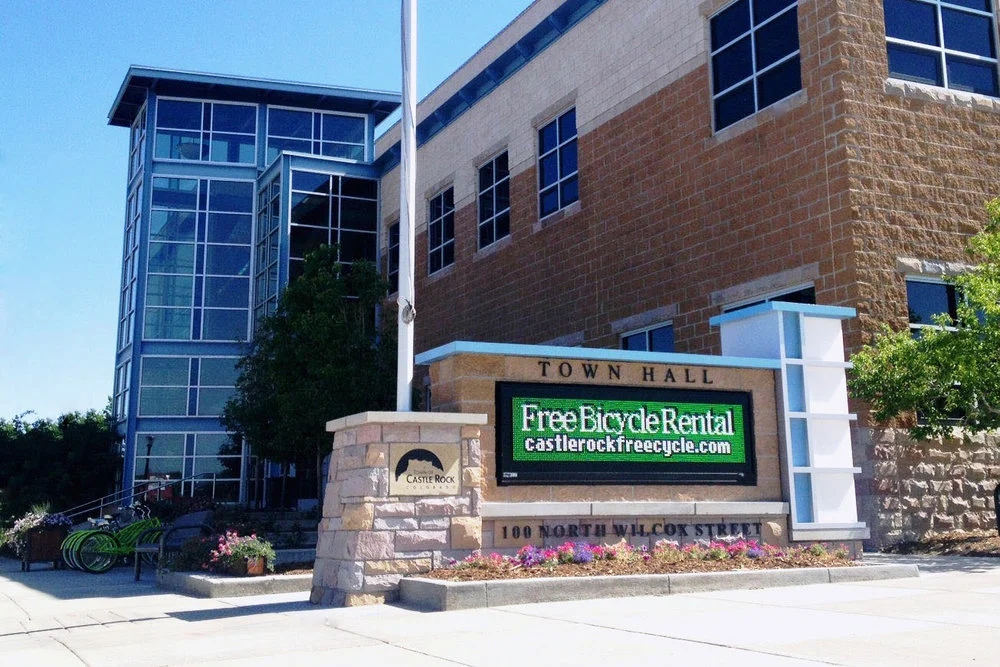
Read MoreOne of the fascinating things about community development is the interaction between residents and municipal government and commercial development teams and municipal government, hereafter referred to as “staff.” Though some may believe those two groups are at odds, residents and commercial developers clearly have similar interests. by Bill Detweiler, Castle Rock, Colorado
Read MoreMeet Meredith Duvall, a Planner for City of Gillette, Wyoming. She advises to get involved in your community outside of work in order to better understand how residents interact with the city. Article submitted by Megan Nelms, AICP.
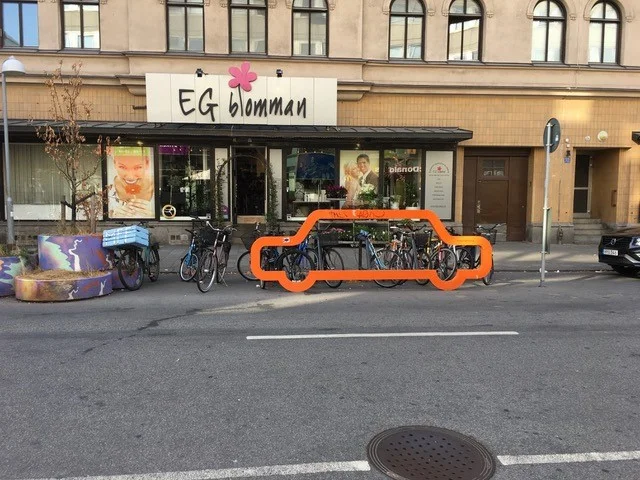
Read MoreThis brief article describes the cycling experience that Candis Millar, AICP, and her husband enjoyed during a week in Copenhagen, Denmark in September. Some of our observations may generate ideas for Western Planners implementing bicycle plans in their communities. Story and photos by Candis Millar, AICP
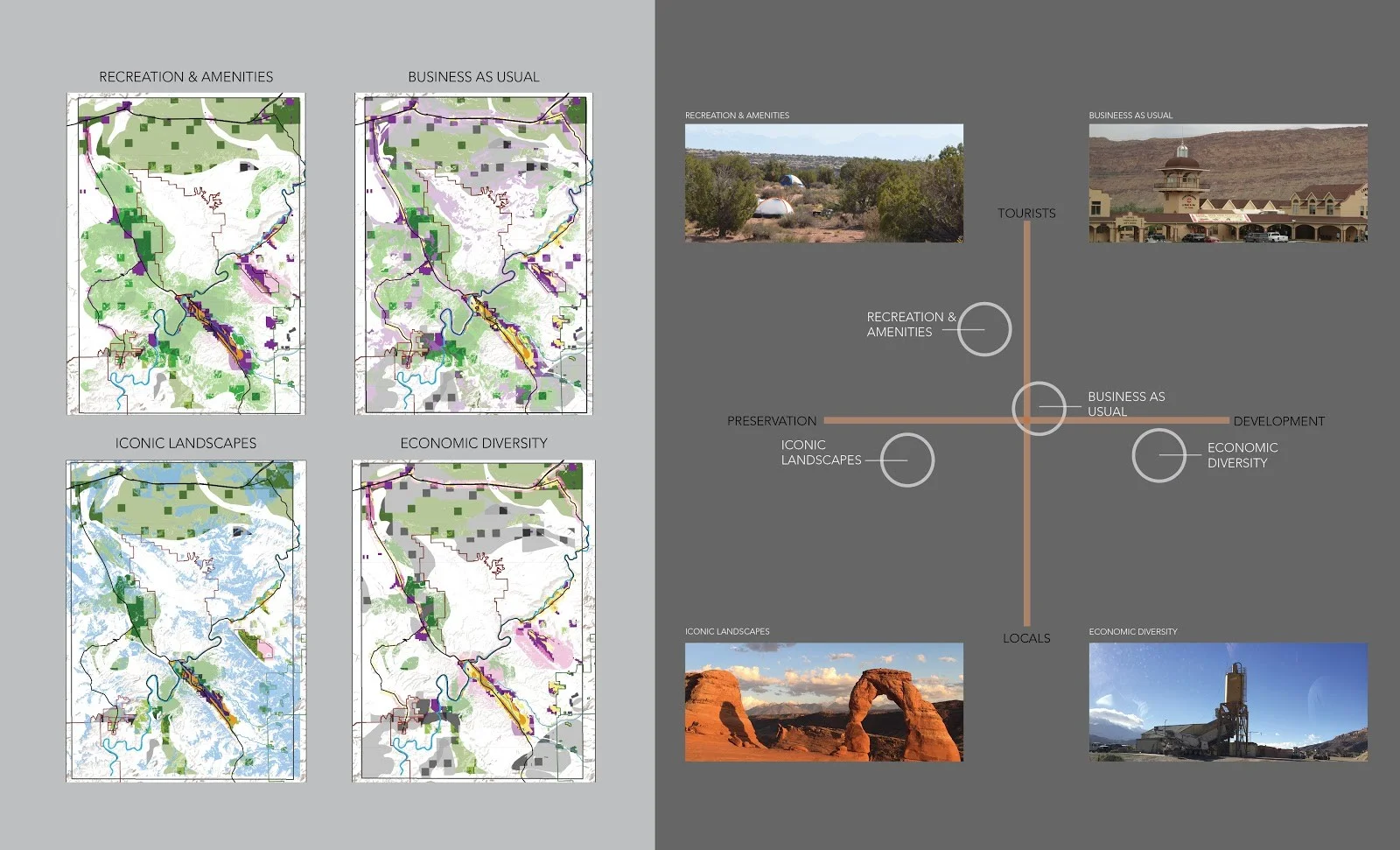
Read MoreIn fall of 2016, the Utah State University bioregional planning team was invited to complete an assessment of the region’s varying land uses, and to generate plausible scenarios for local planners and decision-makers to use in future management plans. The bioregional team offered local stakeholders four plausible scenarios for the future of their region to help decision-makers navigate uncertainty and realize their ideal planning goals for 2040. by Andy Witt, Aubin Douglas, and Mary Oliver
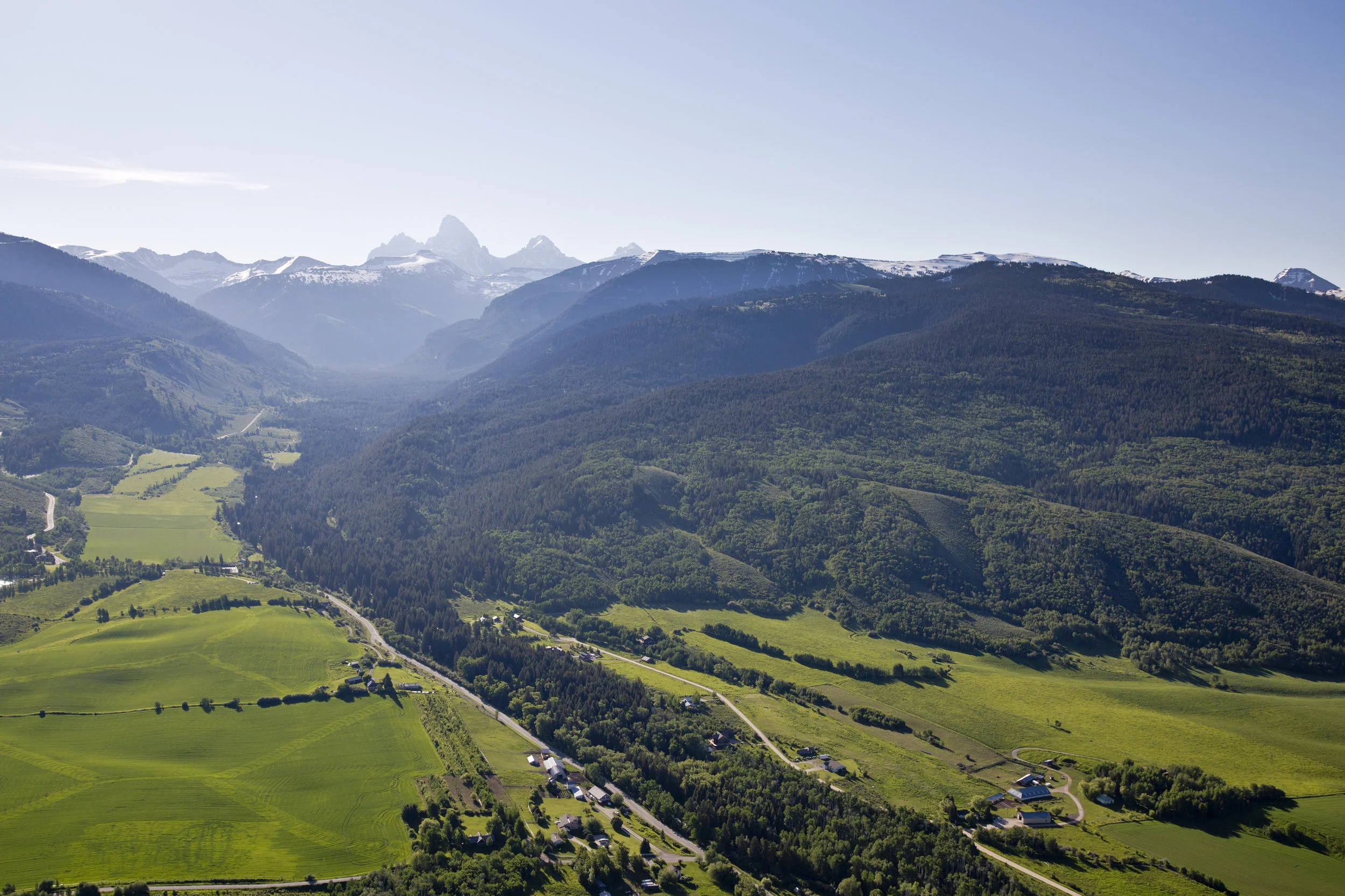
Read MoreAs more people move to the Greater Yellowstone Ecosystem (GYE), development will continue to affect the region’s ecological health. For 17 years, Valley Advocates for Responsible Development (Valley Advocates) has advocated for responsible growth management in the Teton Valley of Idaho and Wyoming, working to preserve our corner of the GYE. However, we’ve found that focusing on future growth alone is not enough to protect our treasured ecosystem. In addition, our regional community must also work to correct the development mistakes of the past. by Shawn Hill, Valley Advocates for Responsible Development
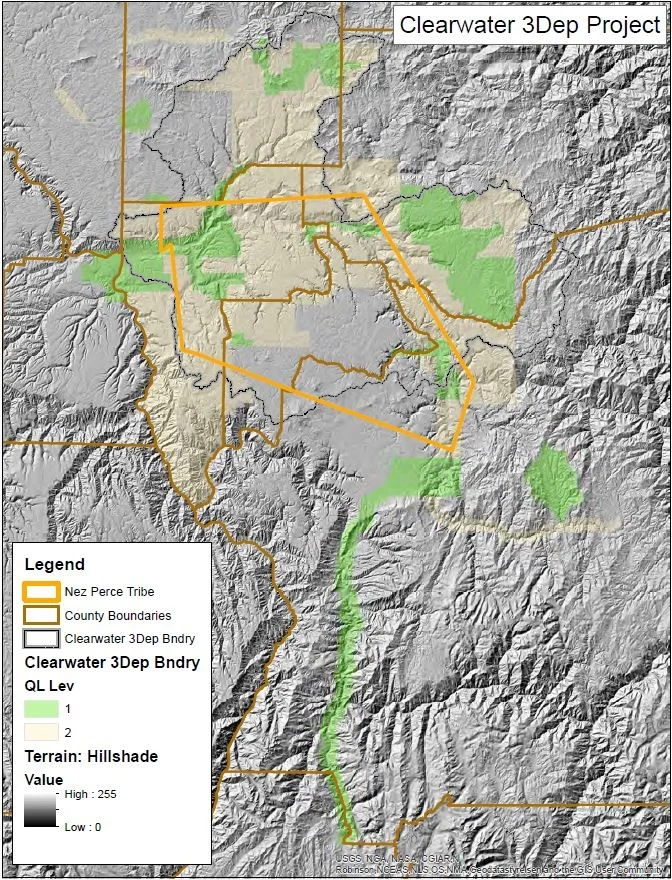
Read MoreThe information gained from the Clearwater Lidar Project has both short-term and long-term benefits across a broad spectrum of disciplines, and encompasses project planning, development, implementation, management, and education outreach. It is truly a phenomenal example of how multiple agencies at local, state, and federal levels can cross disciplines and pool resources for a common goal. by Alison Tompkins, Nez Perce County, Idaho
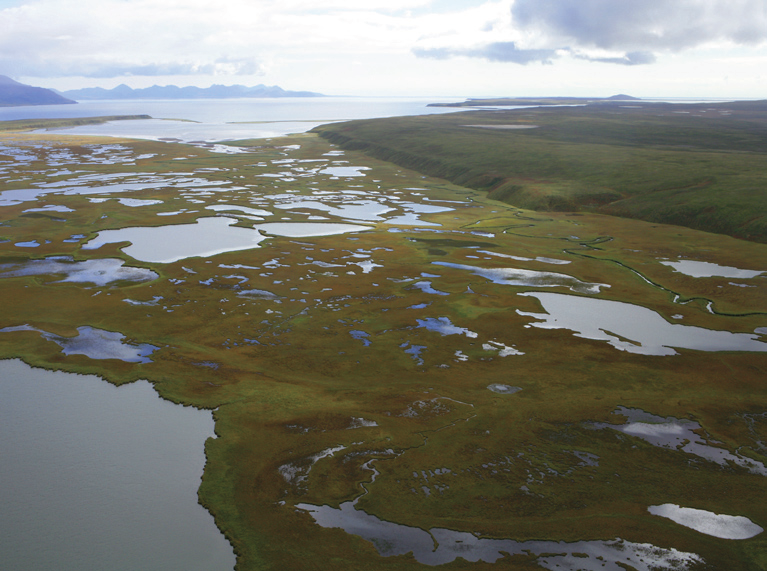
Read MoreThis article tells the story of a 30+ year process to construct a road between the Aleut community of King Cove, Alaska and the Cold Bay Airport. The challenge for this 12-mile road is that it must pass through the Izembek National Wildlife Refuge. This process has been a long, emotional, and politically hard-fought confrontation on a national level between environmentalists and the predominant Aleut population of King Cove. It has become a major confrontation of environmental ideologies, potential precedence-setting public land use decisions and health and safety issues. by Gary Hennigh, King Cove, Alaska
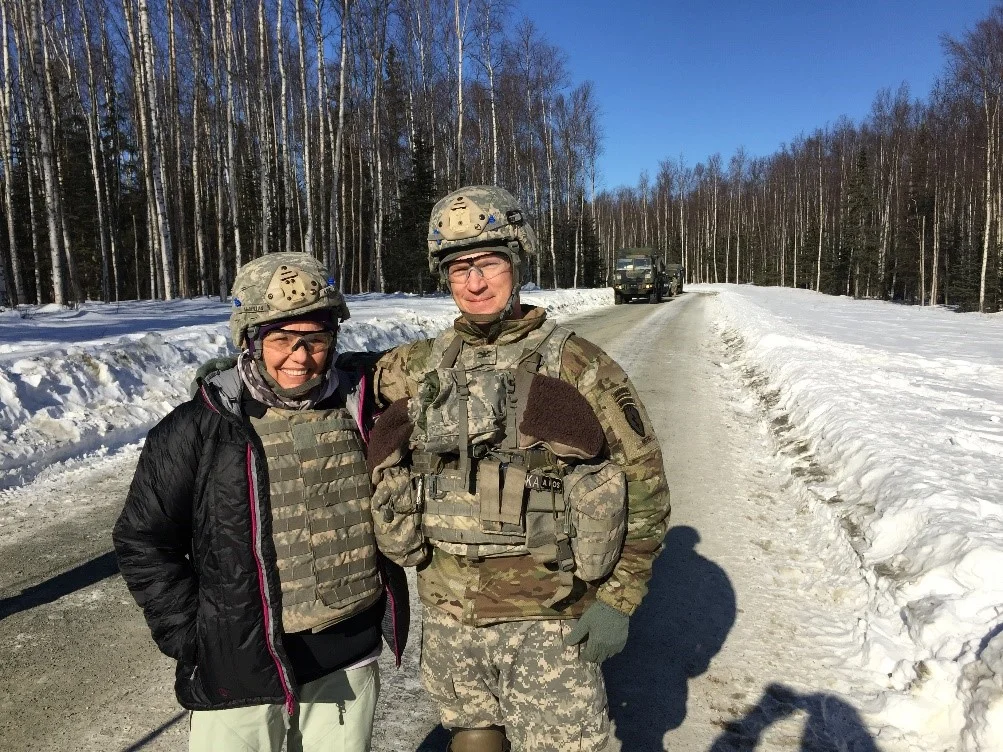
Read MoreCommunity partners can be found anywhere we live. Joint Base Elmendorf Richardson, or JBER (pronounced JBear), is one of Alaska’s largest employers, and for Anchorage a partner in planning, housing, outreach, and education. Planner Kristine Bunnell participated JBER’s Honorary Commanders Program and discusses how it gave her an opportunity to learn and to share planning knowledge.
Read MoreThe North Dakota Planning Association (NDPA) hosted its annual conference this year in Grand Forks on September 13, 2018. See photos and the presentations from the conference.
Read MoreThis article is about the gaping hole in Bisbee, Arizona’s zoning regulations that led to the city’s Planning Commission to develop a new accommodation for innovative and affordable housing through alternative lodging parks. by Mark Apel
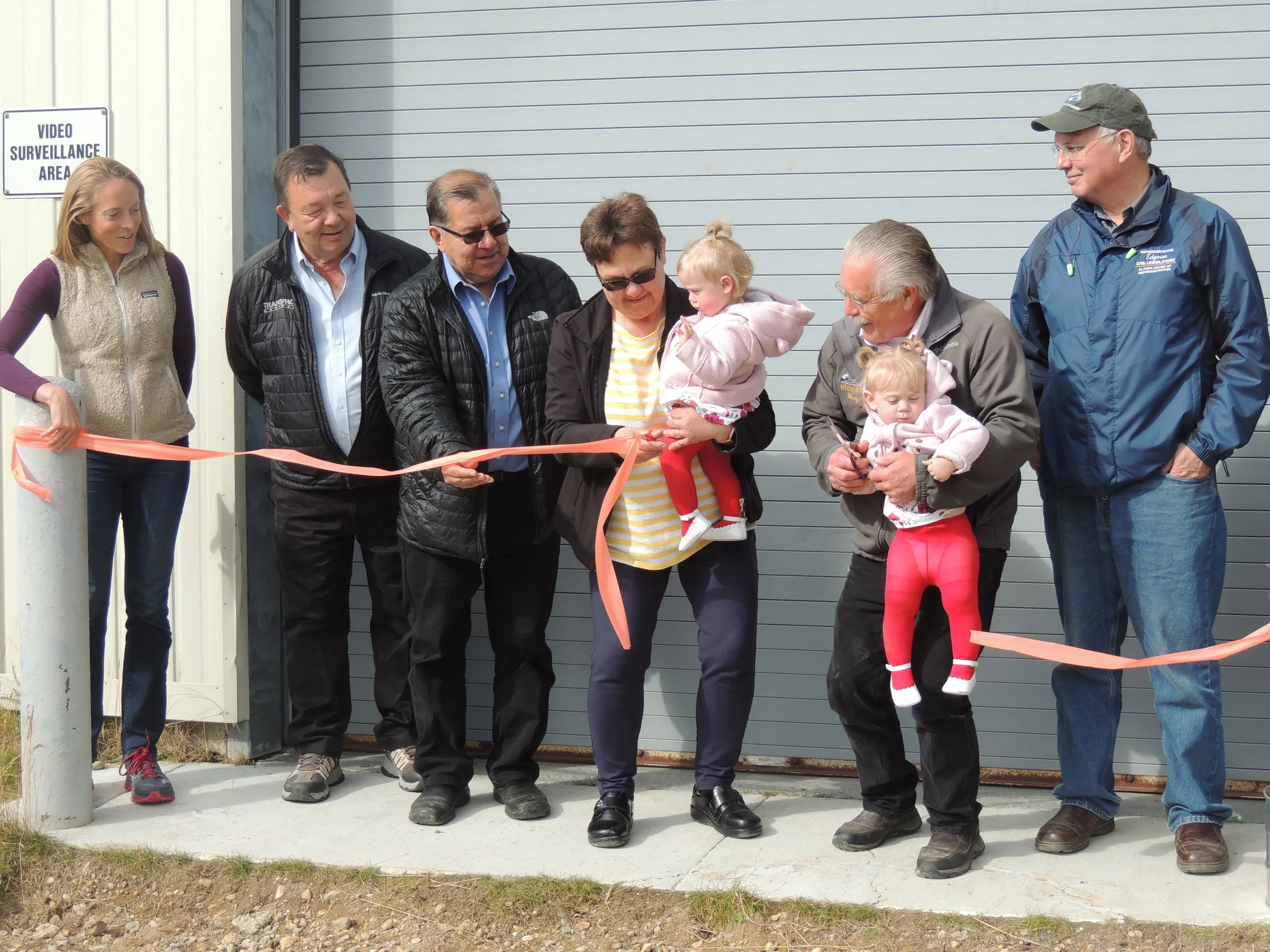
Read MoreSeveral state and local officials traveled to King Cove to participate in the city’s dedication and ribbon cutting ceremony of Waterfall Creek, the community’s second hydroelectric facility. Since Waterfall Creek began operating in May 2017, it has produced more than 1.3 MW (megawatts) of energy and has performed remarkably well.
Read MorePlanners can respond to a lack of affordable housing by leveraging the regulatory and institutional tools at their disposal. This article will highlight a few tools and strategies within a framework of three “levers” of affordability: facilitate the development of income-restricted affordable housing; mitigate residential displacement; and encourage expansion of overall housing supply. by Jamin Kimmell and Catherine Corliss, AICP
Read MoreIt takes a lot of work to rewrite ordinance. Often, there is only time to address specific problems as they present themselves, leaving the entire ordinance to slowly become a confusing jumble of relevant information mixed with outdated language. Eventually, the ordinance has to be reviewed in its entirety, not just to update anything that was missed in prior targeted revisions but also to create a code that is user-friendly. In the right circumstances, this daunting task can be a fun and informative process that can be accomplished in-house. by Erin Callahan, AICP
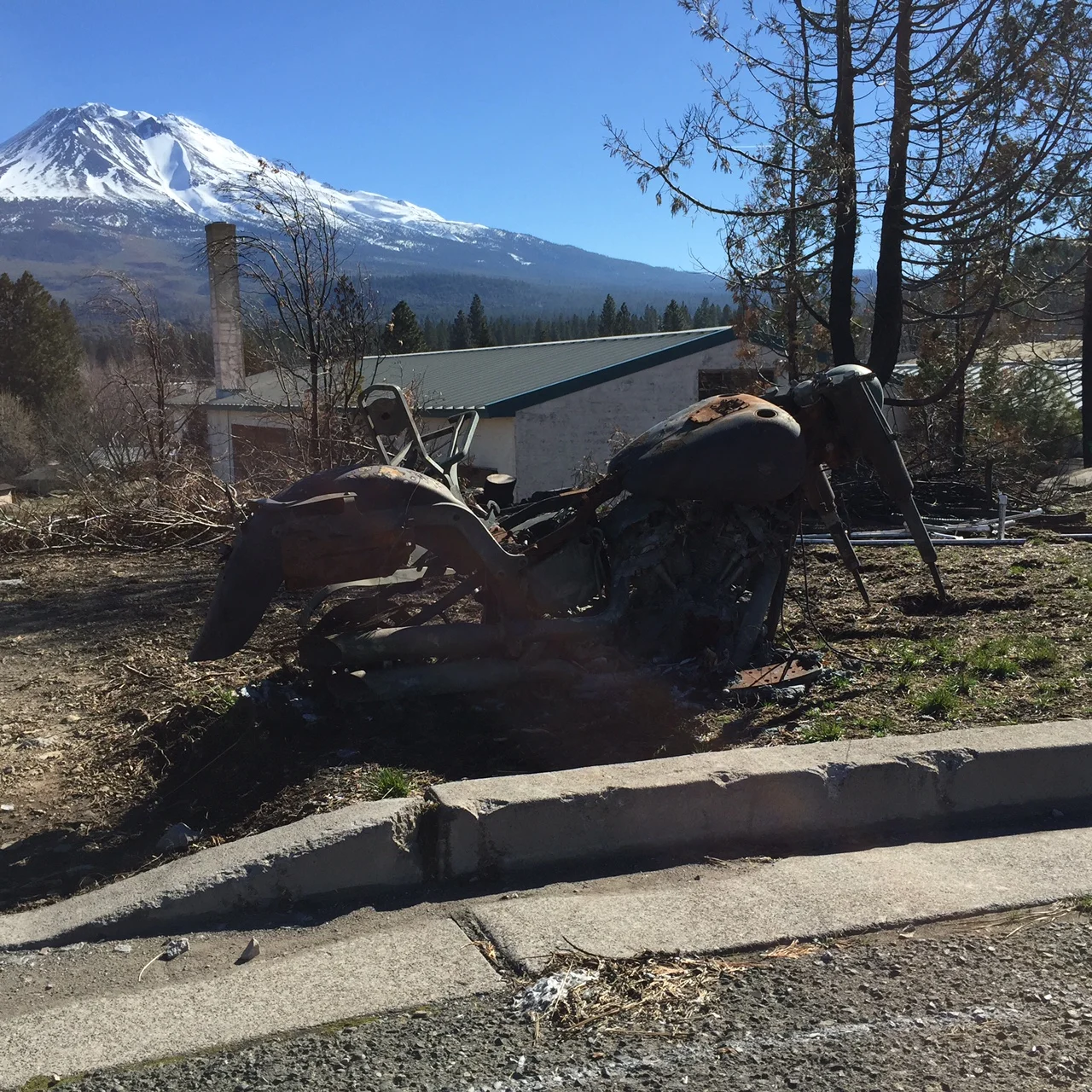
Read MoreThe 2014 Boles Fire went through Weed, California destroying 16 percent of their housing and other structures. A year later, the community started a planning process, called the Weed Resilience Plan, which was completed in April 2016. This effort was the first example of a rural resilience planning process in the nation. by Tom Brandeberry
Read MoreThe 2018 Regional Transportation Commission of Southern Nevada (RTC) bike map is now available at local bike shops, RTC facilities and community centers.
Read More