
Speaker Profiles
Keynote: Planning in the Changing Water Landscape
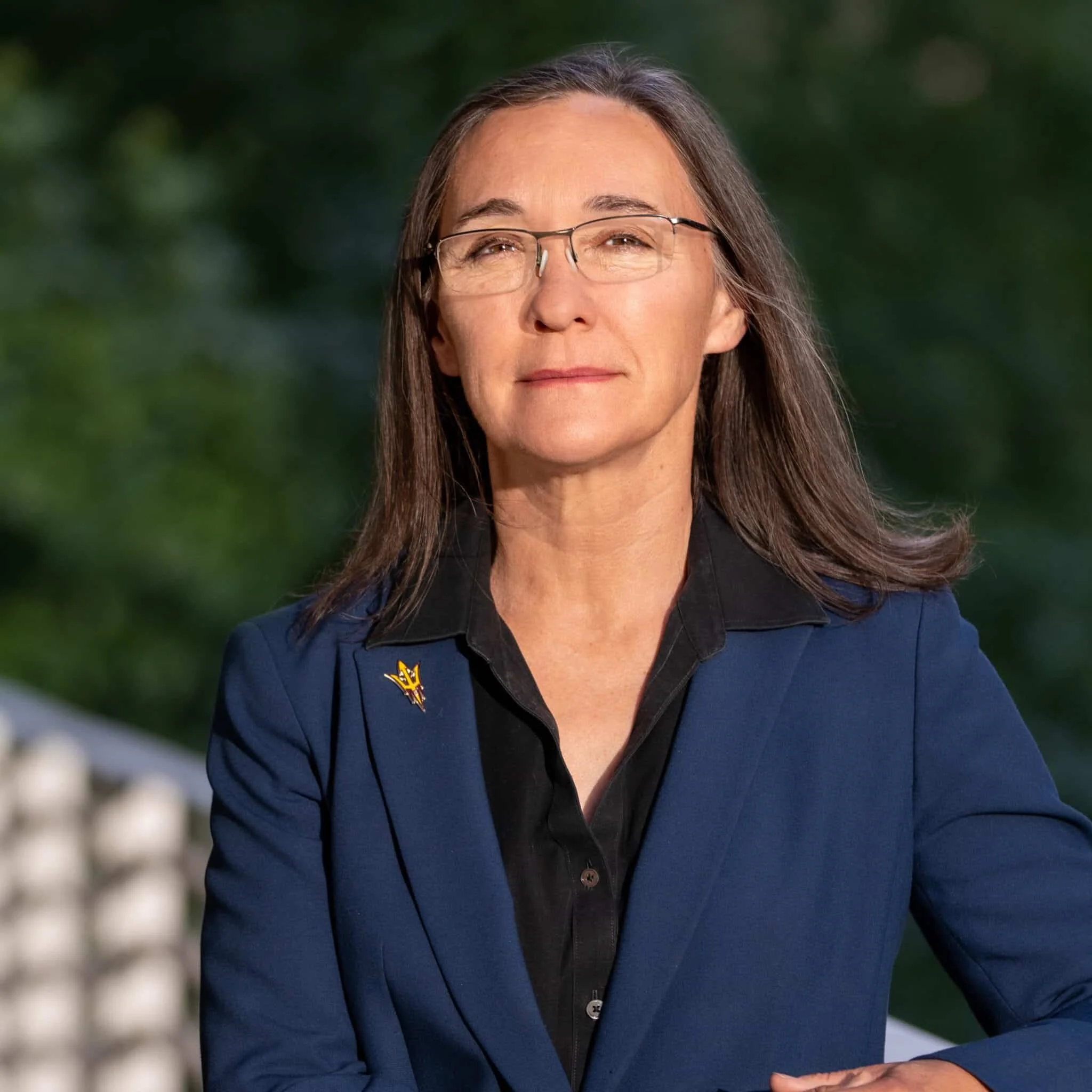
Sarah Porter is Director of the Kyl Center for Water Policy at Arizona State University's Morrison Institute for Public Policy and Professor of Practice in ASU’s College of Global Futures. Established in 2014, the Kyl Center promotes research, analysis, collaboration and open dialogue to build consensus in support of sound water stewardship solutions for Arizona and the West. The Kyl Center’s cornerstone project is the award-winning Arizona Water Blueprint, a comprehensive online hub of information about Arizona water resources and policy.
Sarah came to the Kyl Center from the National Audubon Society, where she served as the Arizona state Director and led Audubon's Western Rivers Project, a multi-state initiative to protect and restore important river habitats in the Intermountain West.
Sarah serves on Governor Hobbs’s Water Policy Council, University of Arizona's Water Resources Research Center's External Advisory Council, Phoenix’s Environmental Quality and Sustainability Commission and other community boards. In 2023, Sarah was named to the Arizona Capitol Times Powerlist as an “Unsung Hero” in recognition of her work on Arizona water policy.
A native of Phoenix, Sarah received her bachelor’s degree with honors from Harvard College and her J.D. magna cum laude from Arizona State University College of Law, where she was a John S. Armstrong Award recipient. She clerked for Hon. William C. Canby, Ninth Circuit Court of Appeals.
Session: “Water for Tomorrow: Legal Framework of Water Rights”
Cora Tso is a Senior Research Fellow at Arizona State University’s Kyl Center for Water Policy. She researches, analyzes, and develops recommendations on Arizona Tribal water policy, focusing on Tribal Nations’ interests, needs, and opportunities in regulatory and legislative processes. She collaborates with Tribal leadership, government agencies, and stakeholders through the Arizona Water Innovation Initiative, fostering lasting relationships between the Kyl Center and the Tribal water policy and legal community.
Previously, Tso worked with governmental, private, and nonprofit organizations on Indian law, water law, and environmental policy. An enrolled member of the Navajo Nation, she is of the Reed People clan and born for the Black Streaked Wood clan. Her maternal grandparents are of the Bitterwater clan, and her paternal grandparents are of the Red House clan. Born and raised on the Navajo reservation, she is originally from Shonto, Arizona. Tso earned her Juris Doctor with a Certificate in Indian Law from the Sandra Day O’Connor College of Law at ASU and a Bachelor of Science in Political Science with a minor in American Indian Studies from Barrett, The Honors College at ASU.
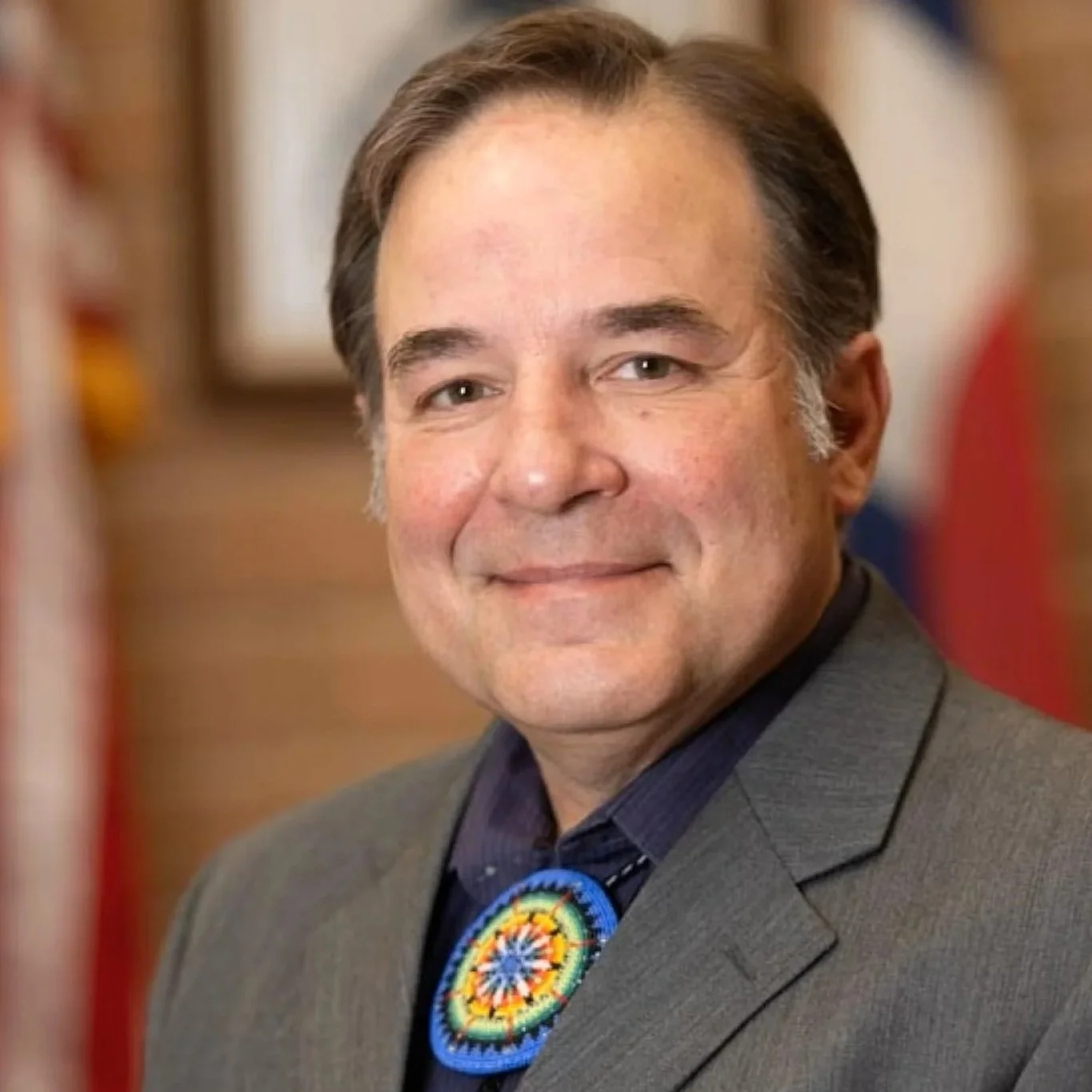
Peter Ortego is the President of Acadian Desert Consulting, LLC, and served as the General Counsel for the Ute Mountain Ute Tribe from 2002 to 2025. Peter currently serves as Special Counsel to the Tribe and provides counsel in energy and water matters which involve serving as Project Manager for the Sweetwater Pumped Storage Hydropower Project, a 600 MW battery being developed on the reservation, pursuing settlement of the Tribe’s federally reserved water rights in New Mexico and Utah, and protecting the Tribe’s rights in the Colorado River Basin as the United States endeavors to manage the River during times of serious drought. Statewide, Peter serves on the State’s Board of Trustees for Water Education Colorado and serves with the Colorado Outdoor Partnership. Locally, Peter is a member of the Board of Directors for the Dolores River Boarding Advocates and The Bridge Shelter. Nationally, Peter is the Treasurer for the Tribal In-House Council Association, a national board of Tribal in-house attorneys.
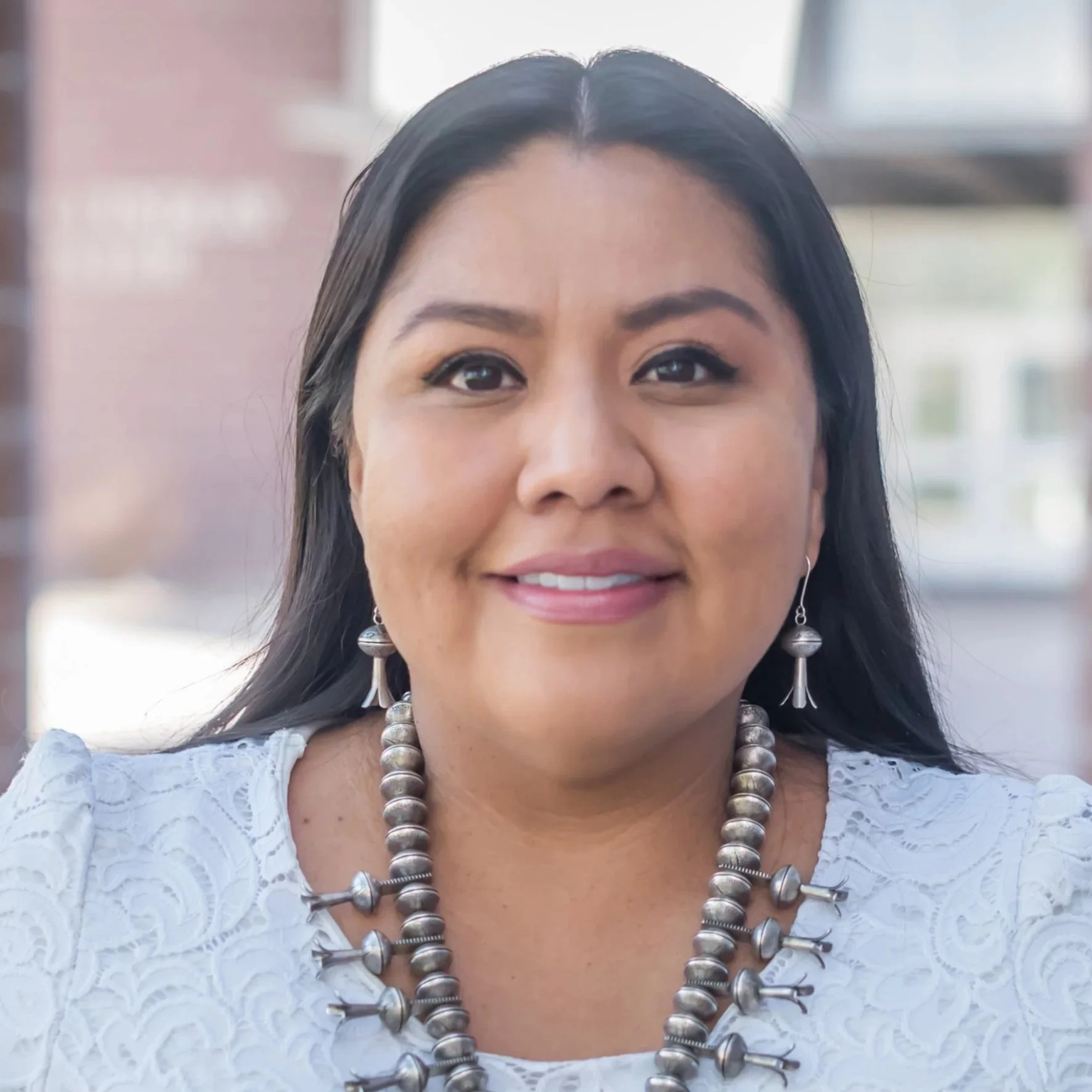
Crystal Tulley-Cordova, PhD, MWR, is a Principal Hydrologist in the Navajo Nation Department of Water Resources - Water Management Branch. Crystal currently works to secure and protect water rights and develop water infrastructure projects for the Navajo Nation. She has worked collaboratively with Navajo Nation partners on water-related research since 2013. In 2021, she was awarded the American Indian Science and Engineering Society Professional of the Year Award and the University of Arizona Agnese Nelms Haury Tribal Resilience Leadership Award. She received a doctoral degree in Geology and an Interdisciplinary Graduate Certificate in Sustainability from the University of Utah. She has received a Master of Water Resources in Hydroscience and a Bachelor of Science in Earth and Planetary Sciences from the University of New Mexico.

Rin Tara is primarily interested in questions of water management in the face of climate change. They joined the Utton Center as a staff attorney, as a UNM law school graduate with a certificate in Natural Resources and Environment Law, in the fall of 2023. They have done work in riparian restoration, river connectivity, tribal water sovereignty, climate change adaptation, and water rights. Rin's recent publications include a series of white papers drafted with a team of experts on the future of Colorado River governance, the companion articles "A Horse Called Stream Depletion Theory" and "Unfinished Business" co-authored with Eric Kuhn and John Fleck, and an article on the Rio Grande silvery minnow, "A Silver Lining". Additionally, Rin co-hosts the Utton Center's flagship water education podcast, Water Matters!
Session: “Water Partnerships in Action”
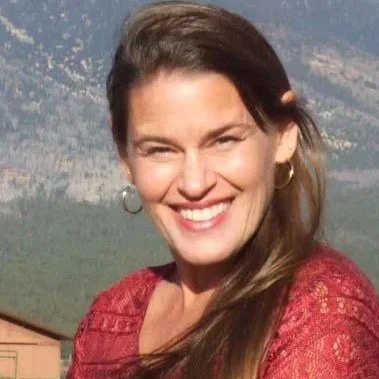
Kira Russo; Dr. Kira Artemis Russo received her Ph.D. in Political Science from the Department of Politics and International Affairs at Northern Arizona University (NAU). Her academic work has focused on water and environmental diplomacy and the governance of water resources. She also holds two master’s degrees, one in history and one in political science, and a bachelor’s degree in broadcast communication.
Dr. Russo’s scholarly interest in water emerged during her graduate studies at California State University, Sacramento, where she was introduced to issues of tribal water governance and the multifaceted cultural, social, and policy dimensions of water resources. This interest has informed her academic research, particularly on how water’s value extends beyond conventional economic frameworks to include cultural, ecological, and community-based perspectives.
She co-authored with Dr. Zachary Smith the book What Water Is Worth: Overlooked Non-Economic Value in Water Resources. In addition to this book, Dr. Russo has published several articles on water policy and environmental governance, contributing to academic and policy debates on how water resources can be managed to reflect a wider set of values and stakeholder interests. She has presented her work worldwide.
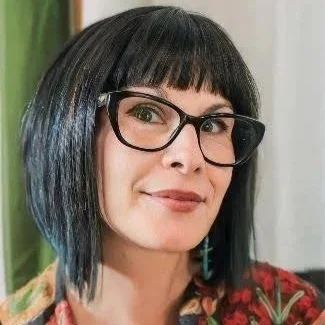
Rebecca Davidson is the Associate Vice President of the Mountain West Conservation Programs at the National Forest Foundation, where she leads and empowers teams across western landscapes, achieving on-the-ground results for forests, watersheds, and communities. She guides regional and national strategy to position NFF as a trusted partner to the U.S. Forest Service and diverse collaborators, aligning broad conservation goals with local action. Through her leadership, Rebecca strengthens partnerships, uplifts communities, and helps cultivate a more resilient, sustainable future for people, wildlife, and the vitality of diverse ecosystems. Rebecca holds a Bachelor of Science in Environmental Science from Northern Arizona University and a Masters in Environmental Law and Policy from Vermont Law School.
Session: “Local Water Usage & Day-to-Day Planning”
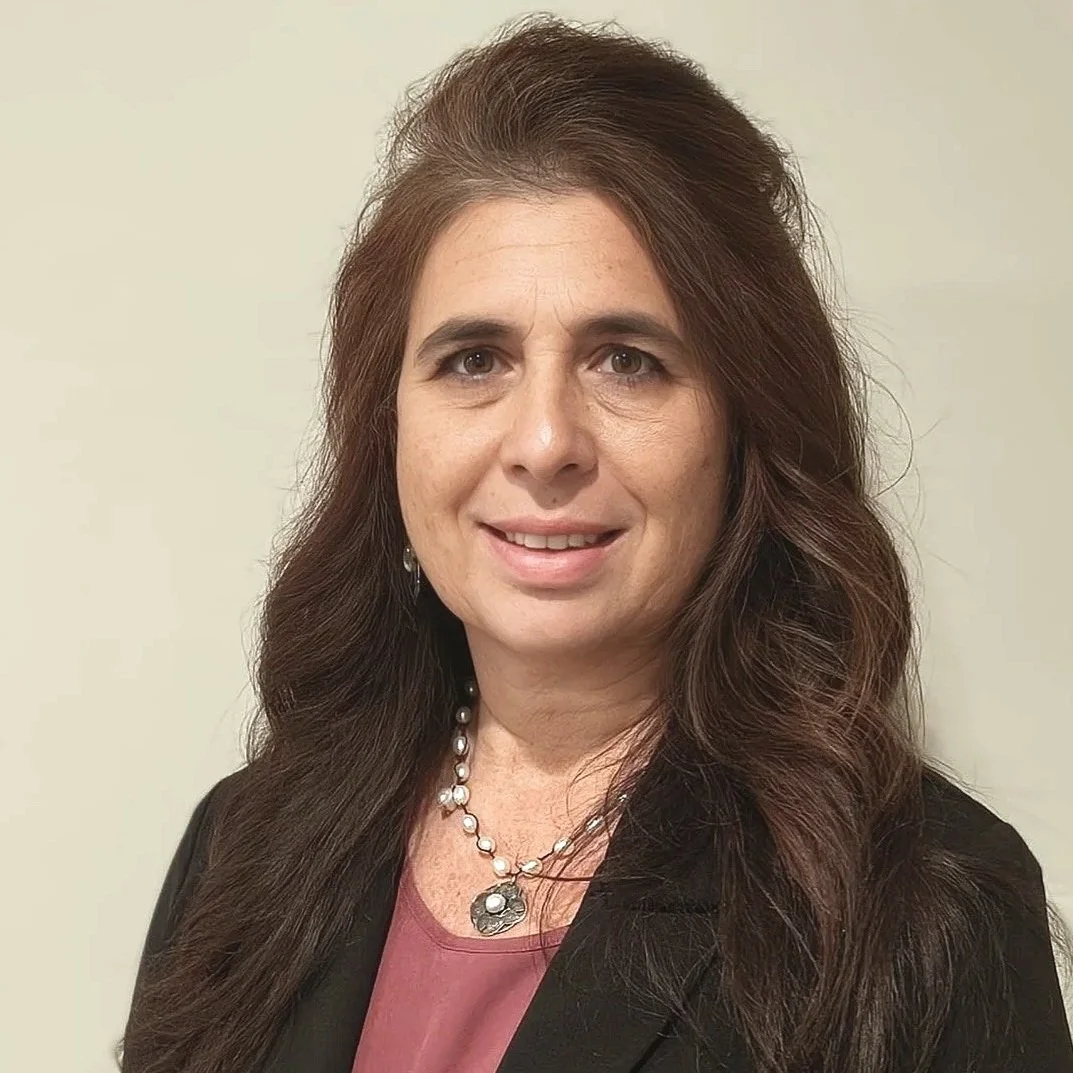
Sylvia N. Shaffer, AZED Pro is the Development Services Director for the City of Page, Arizona, where she oversees planning, zoning, building, and economic development functions. Since joining the City in October 2025, she has focused on strengthening department operations, improving development processes, and advancing key initiatives, including evaluation of a proposed data center project.
With over 20 years of experience serving Mohave County and the City of Kingman, Sylvia has led efforts in land use and site development, business attraction, and workforce and housing initiatives. She also contributed to an award-winning zoning code update and downtown beautification efforts in Kingman.
Sylvia holds a Master’s degree in Leadership from Northern Arizona University and a Master’s degree in Public Administration from California State University, Dominguez Hills. She is an Arizona Economic Development Professional (AZED Pro), Chair of the AAED Rural Committee, and an active member of AAED, APA, and ICSC.
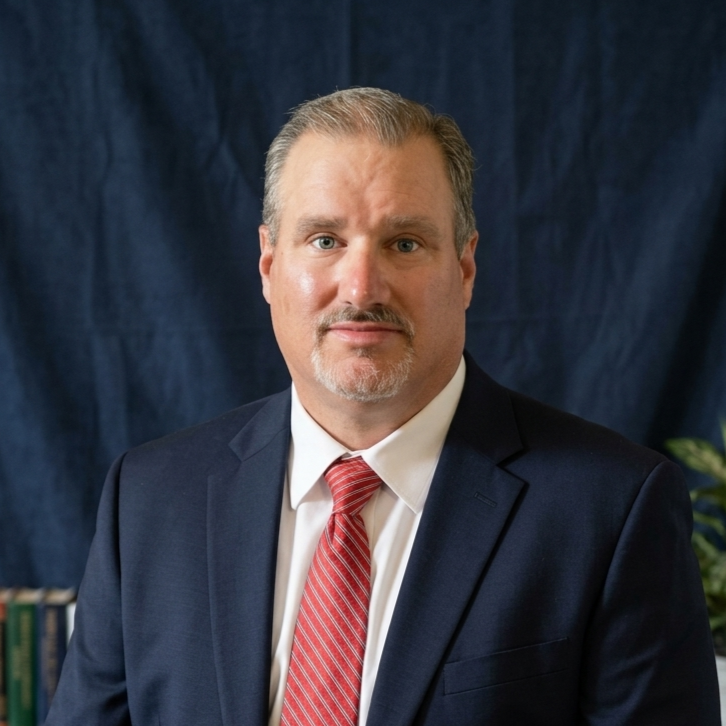
L. Frank Marbury is the City Manager for Page, Arizona, where he leads municipal operations and strategic initiatives for the community. He has more than 30 years of experience in municipal engineering and public works. He is a registered engineer in Arizona and Colorado. He holds a Civil Engineering degree from Auburn University and a Masters of Publicv Administration from Troy University.
Current projects include coordinating with public utilities for water resource grants and adapting City codes for a potential 1 GW data center. In prior public works and engineering roles, he managed major reclamation plant upgrades, PFAS treatment projects, and helped coordinate regional water resource planning.
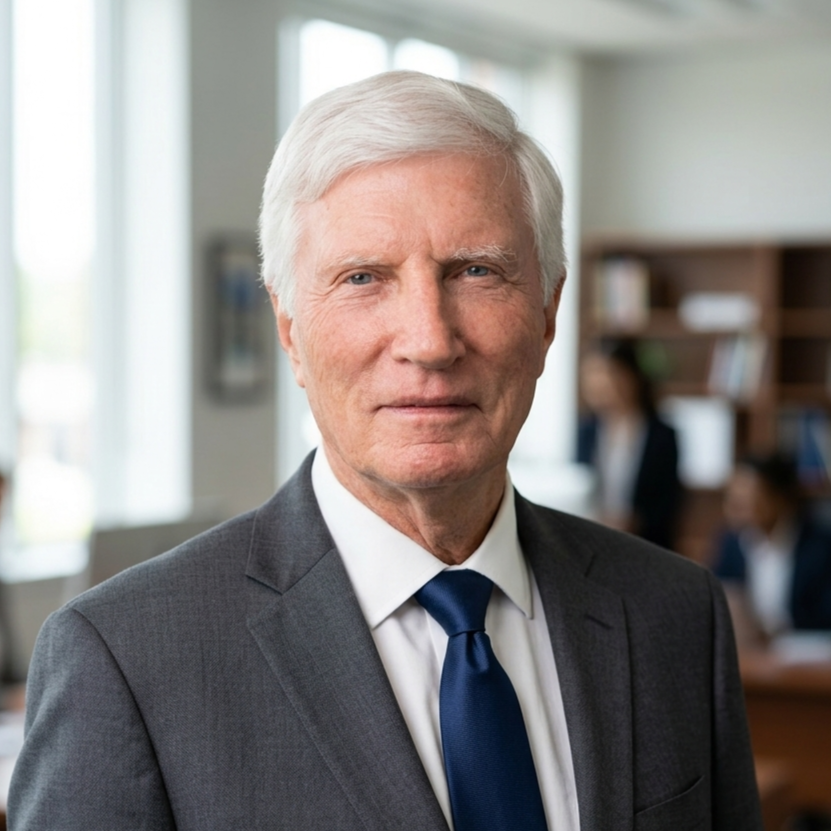
Steven C Harris is the President of Harris Water Engineering, Inc., which he formed in 1983 to provide general water resources consulting services in southwest Colorado. His firm provides services to wide variety of water districts, irrigation companies, and private clients. He has a Bachelor of Science in Civil Engineering and a Bachelor of Arts in Urban Studies from the University of Southern California. He has 53 years of experience in water resources engineering and has been involved in nearly every water issue in southwest Colorado either through his engineering firm or being a member of boards and commissions. He is presently on the Southwest Basin Roundtable and the initial chair; past member of the Colorado Interbasin Compact Committee; a past Board member of the Colorado Water Resources and Power Development Authority for 16 years; past member and past president of the Animas-La Plata Water Conservancy District; past hair of the Club 20 Water Committee; member of the Club 20 Board of Directors; past member of the City of Durango Water Commission; and a member of various professional societies and committees.
Crystal Tulley-Cordova, PhD, MWR, is a Principal Hydrologist in the Navajo Nation Department of Water Resources - Water Management Branch. Crystal currently works to secure and protect water rights and develop water infrastructure projects for the Navajo Nation. She has worked collaboratively with Navajo Nation partners on water-related research since 2013. In 2021, she was awarded the American Indian Science and Engineering Society Professional of the Year Award and the University of Arizona Agnese Nelms Haury Tribal Resilience Leadership Award. She received a doctoral degree in Geology and an Interdisciplinary Graduate Certificate in Sustainability from the University of Utah. She has received a Master of Water Resources in Hydroscience and a Bachelor of Science in Earth and Planetary Sciences from the University of New Mexico.
Colten Ashley is a Diné (Navajo) filmmaker, writer, media educator, and scholar from the Four Corners. He serves as the Tribal Media Center Director for KSUT Public Radio and has been in that position since 2022 when the Tribal Media Center was created. This has given him the opportunity to create workshops and fellowships geared towards Native American & Alaska Native youth and young adults who are interested in media as a career or as a tool for community/cultural preservation. Prior to his tenure as Tribal Media Center Director, he worked in film, television, and new media for over twelve years. He has had work appear on Independent Lens on PBS, the Sundance Film Festival as well as feature at the Ouray International Film Festival and the Native Spirit Festival in the UK. He loves physical media, talking about movies, and reading while on excursions in nature."
Matthew Bahnimptewa is from the village of Hotevilla located on Third Mesa on the Hopi Reservation. He is Water House Clan studying Environmental Studies with a minor in Anthropology at Fort Lewis College. Matthew’s work is rooted in Traditional Ecological Knowledge and focuses on blending Indigenous land stewardship with Western science to support sustainable water management. Through the Tribal Water Media fellowship and work with the Hopi Tutskwa Permaculture Institute, focusing on spring and watershed restoration using permaculture-based approaches. His research seeks to emphasize reciprocity, cultural resource preservation, and strengthening our relationship with Tuwapongtumsi (Mother Earth).
Session: Wildfires & Water: Planning for a Sustainable Water Supply
Rebecca Davidson (Moderator)
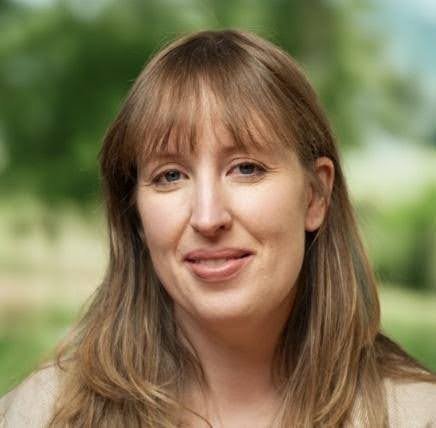
Ryan Handy, AICP, is an urban planner with Headwaters Economics’ working in the Community Planning Assistance for Wildfire program, which has helped more than 80 communities across the country increase their wildfire resilience. Thoughtful urban planning can help communities reduce the threats of wildfire and also rebuild more resilient infrastructure after a disaster. With a master’s degree in urban and regional planning Ryan has a particular interest in watershed-level solutions to problems such as post-fire flooding.
In addition to her strengths as a planner, Ryan spent more than a decade as a journalist working for newspapers in Texas and Colorado. Drawing on her master’s degree in journalism from Columbia University, she specialized in disaster recovery and resilience reporting, and covered hurricanes, wildfires, catastrophic floods, and oil and gas development, among other things.
Ryan is a native of Santa Fe, NM. The effect of climate change on the American West has been a passion and common thread through her life and professional career.
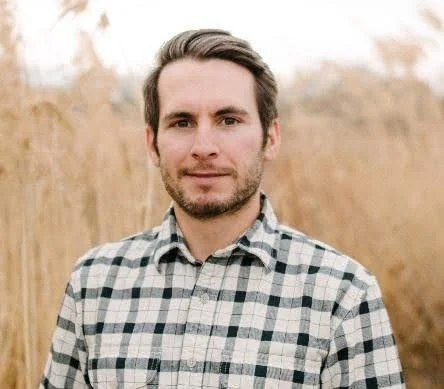
Joe Lavorini, is the Rocky Mountain Region Program Director at the National Forest Foundation, where he leads a team working to reduce wildfire risk and build more fire-adapted landscapes, restore imperiled ecosystems, and enhance recreation across National Forests in Colorado and Wyoming.
Joe brings nearly two decades of nonprofit leadership in the Rocky Mountain region to his work at the NFF. He launched his career by founding a grassroots environmental nonprofit - an endeavor that included personally replacing more than 10,000 lightbulbs across the region. He went on to spend a decade at the Rocky Mountain Field Institute as Program Director, directing alpine and post-fire ecosystem restoration initiatives and recreation planning efforts across the public lands of Southern Colorado and Utah before joining the National Forest Foundation.
Joe holds an undergraduate degree from the University of Colorado and a Master of Environmental Management from Western Colorado University. He lives in the Gunnison Valley, where he takes full advantage of the 2 million acres of public land at his doorstep.

Carli Brucker, PhD, of Carollo Engineers has over seven years of experience as a water resources engineer, with a focus in climate change and natural hazard risks to water systems and future supplies. She has particular expertise in wildfire impacts to water quality, and implications for treatment and stormwater management. Her work also includes developing resilience and mitigation strategies to help utilities strengthen preparedness.