Planning for Schools and Community
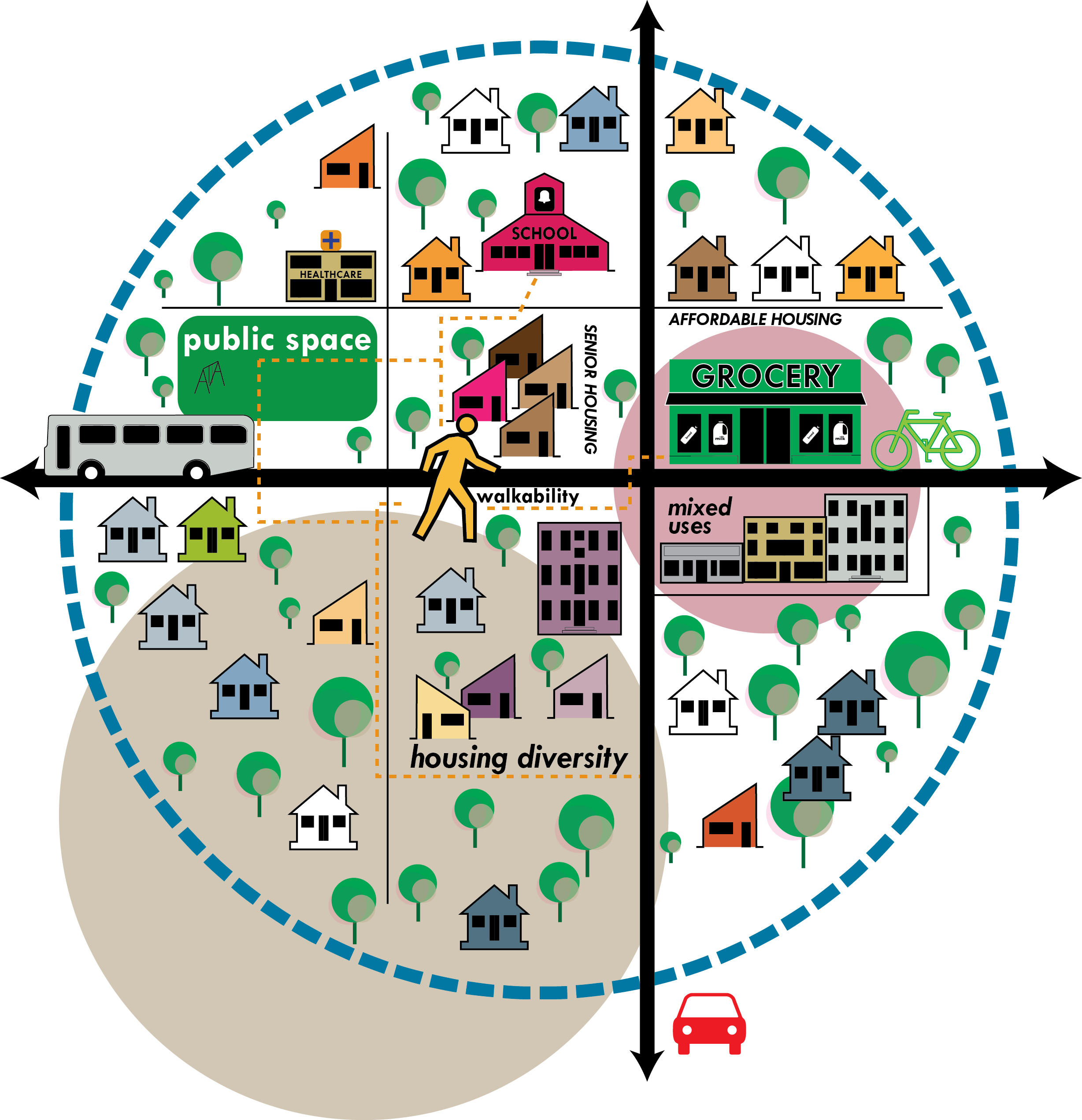
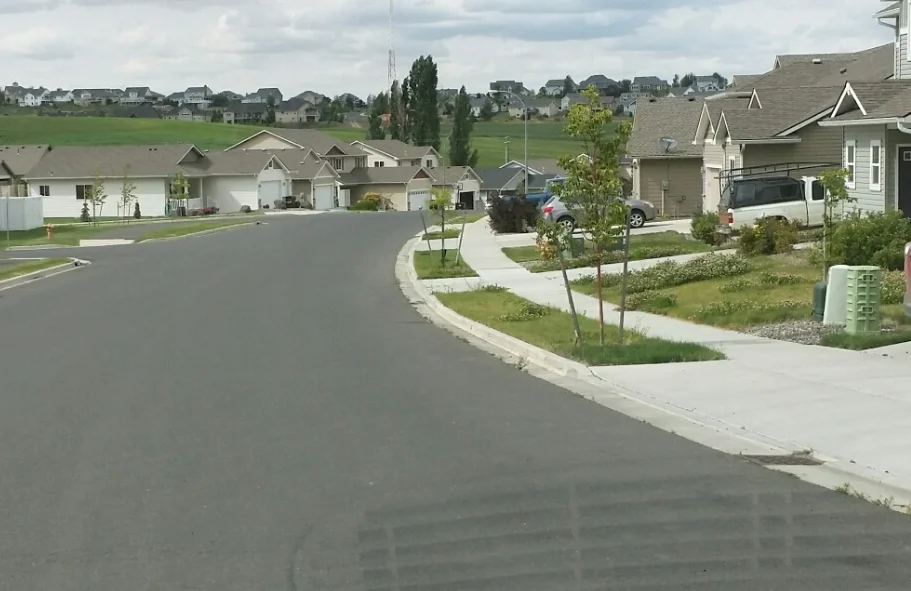
School location decisions impact so much more than education. Where we place schools affects health, transportation, safety, social equity, and community finances for decades, if not centuries to come. School location influences where we build infrastructure and housing, as well as a myriad of other cascading decisions around growth. If your community is considering any change in school facilities, decision makers should be encouraged to begin the journey down the road to collaboration. by Kathleen Aragon
Read More
Dark Skies A Sign of The Times
The residents in and around the City of Sierra Vista, Arizona value their dark skies and the ability to observe celestial phenomena, so much so that this area has attracted numerous amateur astronomers from all over the country. When a local business owner requested a code amendment to allow Electronic Message Center (EMC) signs, which had been prohibited, the city created a sign task force to develop Sign and Outdoor Light Control amendments. Carefully crafted ordinancesgo a long way to protecting this important regional asset. by Jeff Pregler, AICP
Read More
Bismarck Takes on Infill Challenge
As the City of Bismarck looks to manage orderly, outward expansion, a key strategy is to guide some city growth inward. Recently, the city adopted an Infill and Redevelopment Plan in its continuing effort to guide development within the existing footprint of the city, a key growth strategy advocated by Mayor Mike Seminary in his “footprint initiative.” The purpose of the plan is to facilitate high-quality infill and redevelopment that enhances quality of life, economic vitality, and fiscal responsibility. by Will Hutchings
Read More
Project Management for Public Sector Planners: How a Chance Encounter at a Starbucks Made Rachel’s Day
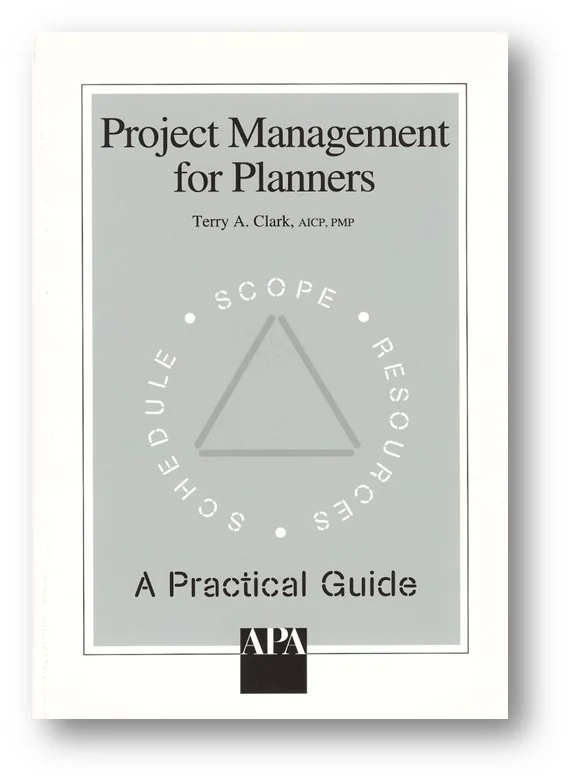
The public sector is different than the private sector and, therefore, requires a different approach to managing projects. Terry A. Clark, AICP, PMP, who wrote Project Management for Planners, briefly reviews some concepts that he will present at the 2017 SDPA/Western Planner Conference.
Read More
Williston overhauls sign regulations
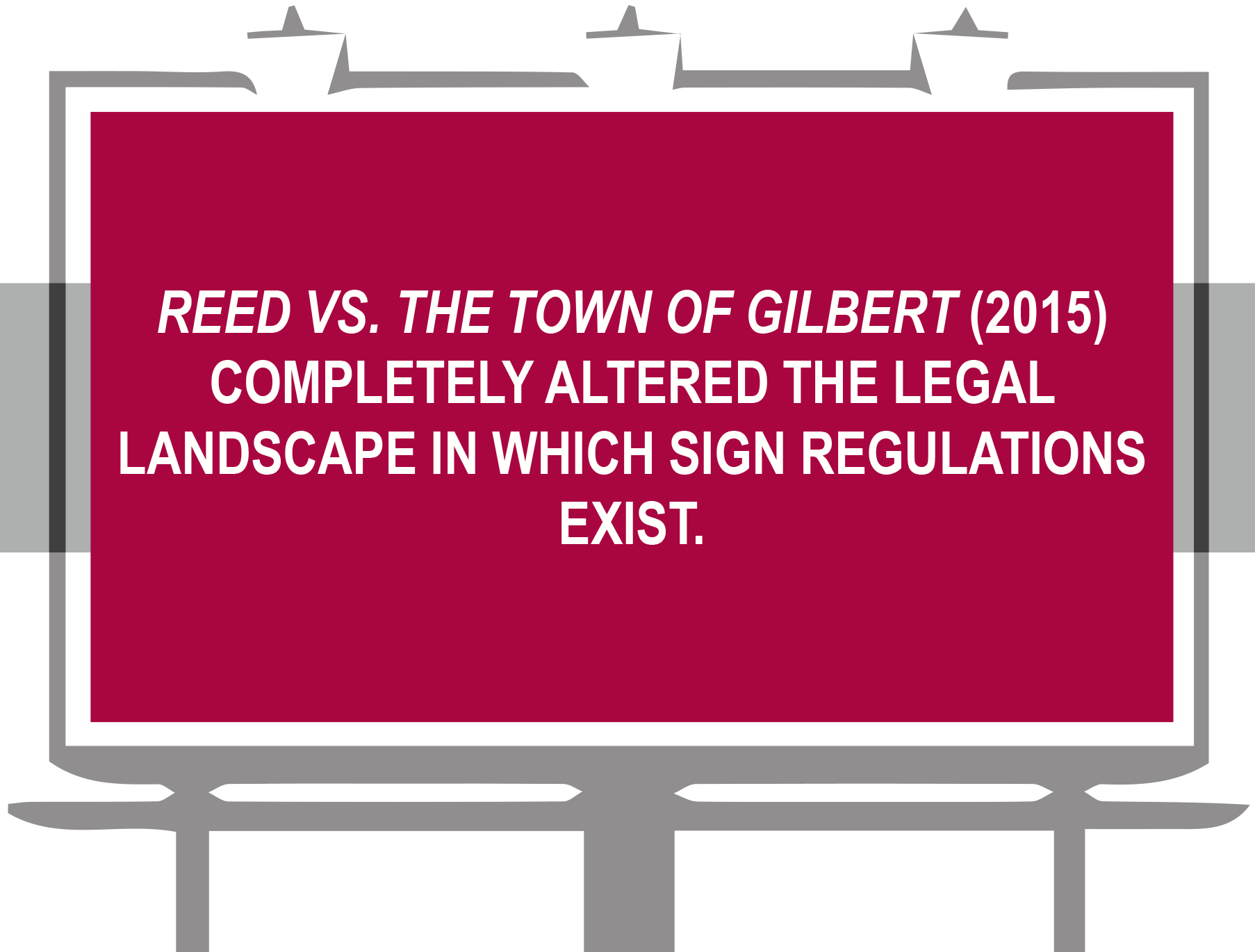
The City of Williston, North Dakota needed a larger overhaul of sign regulations that truly took into account the wide variety of development types occurring in Williston as well as modernizing regulations. Education was a huge component of the ordinance effort. In the end, the city ended up with an ordinance that allows for more permanent signage for most properties, allows for more temporary signage, creates allowances for non-residential residentially zoned properties such as churches, creates flexibility for large commercial and campus-style properties, and represents and accommodates the needs of stakeholders. by Rachel Laqua
Read More
Creative Alliances Can Stand the Test of Time
Ten years ago, the Urban Land Institute published Ten Principles for Successful Public/Private Partnerships. That publication set forth core principles essential for the successful accomplishment of joint development by the public and private sectors, benefiting both, that neither could achieve independently. Those ten principles remain as applicable today as they were then, but the challenges facing urban development have changed dramatically. by Deb Sydenham, FAICP
Read More
Main Street Initiative well underway in North Dakota
The details of North Dakota’s newly elected Governor Doug Burgum's Main Street Initiative are still in process. However, it has become clear that the initiative is, in many ways, about the conversation itself, about elevating the issues of fiscally-responsible infrastructure, workforce development in a contemporary economy, and the creation of vibrant communities. In this respect, the Main Street Initiative is already well underway in North Dakota. by Daniel Nairn, AICP
Read More
RMLUI 2017 - Creating Inclusive Communities
Some things stand out for me at this conference. First, this is a conference at a law school, so there is more of a legal, real estate and development take. I also think the conference always does an excellent job trying to address water in the West which does not happen very often at planning conferences. by Brandon Cammarata, AICP
Read More
26th Annual Rocky Mountain Land Use Institute Western Places/Western Spaces Focusing on Creating Inclusive Communities
If you have a limited time and budget and want to earn lots of AICP CM credits, then RMLUI is the venue for you! It is truly impressive what you can learn and who you can network with over two full days with 40 concurrent panels in six tracks, three plenaries, two lunches and an evening reception. by Dan Pava, AICP
Read More
AN OLD PLANNER DOG LEARNS NEW TRICKS
Although the Internet and social media have made it possible to obtain input from virtually everyone in the community, summarizing input from hundreds or thousands of residents responding to a project website questionnaire is not an easy task, nor is the process of educating the public about the issues facing the community. And the scope of a comprehensive plan has expanded over the years to include sustainability, resiliency, active and healthy living, mobility and livability. Addressing these topics takes time, effort and creativity. by Alan White, AICP, Arapahoe County, Colorado
Read More
Planning for Hazards: Land Use Solutions for Colorado
Tailored to land use planners, Planning for Hazards: Land Use Solutions for Colorado provides detailed information about assessing a community’s risk level to hazards and describes how to implement numerous land use planning tools and strategies in a manner that reduces risk. While the guide’s examples and data sources are largely Colorado-specific, the description of tools and sample land use code language provide a good starting point for any municipality or county in the West or across the country. by Logan Sand, Recovery and Resilience Planner, Colorado Department of Local Affairs
Read More
Mind the Gap
Filling vacant spaces on Main Street is often one of the most challenging aspects of downtown development. Many communities have struggled with the ghastly fissures in their urban fabric dating back to the days when urban renewal sought to modernize through demolition. by Matt Ashby, AICP CUD
Read More
Code Compliance: Difficulties and Ideas for Small Towns
Small towns face enormous hurdles in enforcing code. This article highlights the importance of small towns having strategies that work for their unique situation. Although this article is directed to small-town leaders, the principles inherent in code enforcement strategies can benefit leaders, planners, and code enforcement officers in any community. by Kyle Slaughter
Read More
Transitional Communities: Planning within a Growth Paradox
Rural decline continues in many places, but some amenity-rich areas transition to tourism-driven economies—often against the desires of legacy residents. Unique challenges make community planning difficult, but essential, in this context. A case study highlights the challenges of a community in transition. by Paul Moberly and Kyle Slaughter
Read More
Do tiny houses fit into your community?
Nothing in the current housing discussion has created the same stir like the tiny house movement and Spearfish, South Dakota has wrestled with trying to understand where this option fits into the menu of choices for housing in the city. The bottom line is that although they are not for everyone, the people who seek the tiny house lifestyle need the same amount of help and assistance to realize their dream as those who are building traditionally constructed homes. by Jayna Watson, AICP
Read More
Examining Walk Travel Behavior and Land Use in Utah
While interest in fostering walkable communities in Utah has grown in recent years, the longer-term trend is showing that people are walking less. This article describes an analysis of the factors that impact walking. The principle data source for this analysis was the 2012 Utah Household Travel Survey (UTHS). by Jonathan Larsen, PE, Andy Li, Ph.D., and Callie New
Read More
GPS Control in the Last Frontier - Alaska
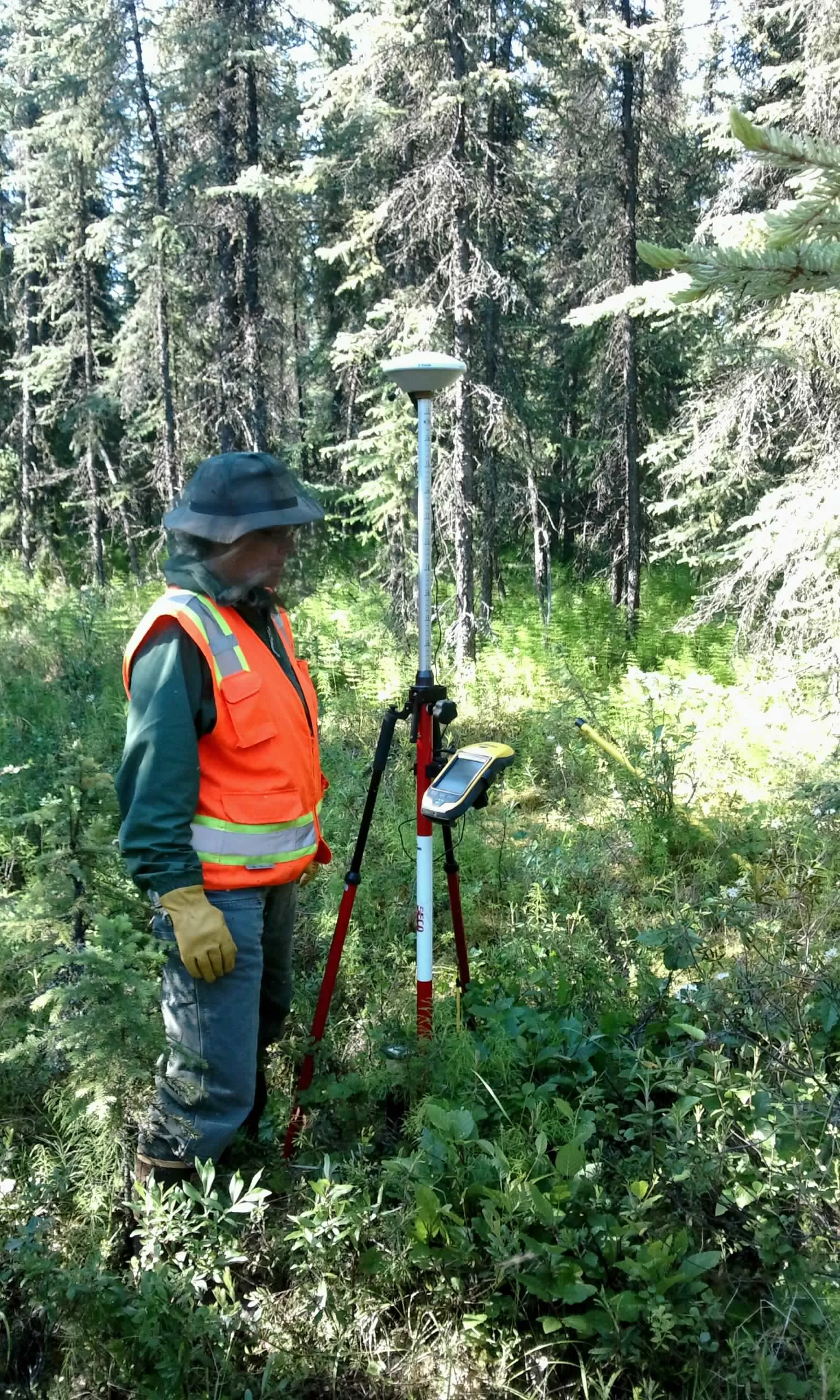
GIS Tech Nancy Katkin with the Fairbanks North Star Borough Community Planning in Alaska had many adventures in the field. Her work allowed the Borough GIS technicians in the office to use the collected points, along with existing subdivision plats, to redraw the parcel layer to approximately the same accuracy level as the aerial photography layer. by Angela Parker, AICP, CFM, and Nancy Veitch Katkin
Read More
Bicycle Tourism in Rural Oregon
Oregon has taken a holistic approach to building bicycle tourism, looking to provide a complete package. by Catherine Corliss, AICP, Matt Hastie, AICP, and Laura Krull
Read More
Tactical Urbanism boosts parental cool factor
By now, you've probably at least heard of tactical urbanism, if not participated in a workshop that seeks to temporarily transform leftover places into vibrant spaces.
Read More
Washington State: 25 Years of Growth Management
The 25th anniversary of Washington State’s Growth Management Act (GMA) was celebrate in late 2015. Adopted in 1990, the Growth Management Act has helped guide development in Washington’s cities, counties, and other jurisdictions. Twenty-nine Washington counties containing 177 cities are required to use the principles of Growth Management.
Read More