
Ever wonder how comprehensive planning got started in your community? If you are in a small- to mid-size community, chances are that planning began with a Housing and Urban Development (HUD) 701 grant made to your community between 1954 and 1981.
Read MoreColumnist Mark Apel offers tips to planners who perform their civic duty by serving on their local planning and zoning commission.
Read MoreThis article will, albeit somewhat simplistically, attempt to illustrate these divergent views and suggest a paradigm for integrating them. While obviously the actual views of real planners, engineers, and finance officials are more complex than as simply illustrated here, I hope that my thumbnail portrayal of views will provide some food for thought.
Read MoreColumnist Lee Nellis discusses that the fundamental message of planning and good citizenship is simply that “we are all in this together.”
Read More
Welcome to City Planning Day in Mrs. Paula Farley’s seventh grade class in Spearfish, SD. Story by Jayna Watson
Read MoreSince there are quite a few places in various parts of the country that may be benefiting from energy development of various forms, it might be useful to consider the implications of a sudden, and likely temporary, revenue boost.
Read More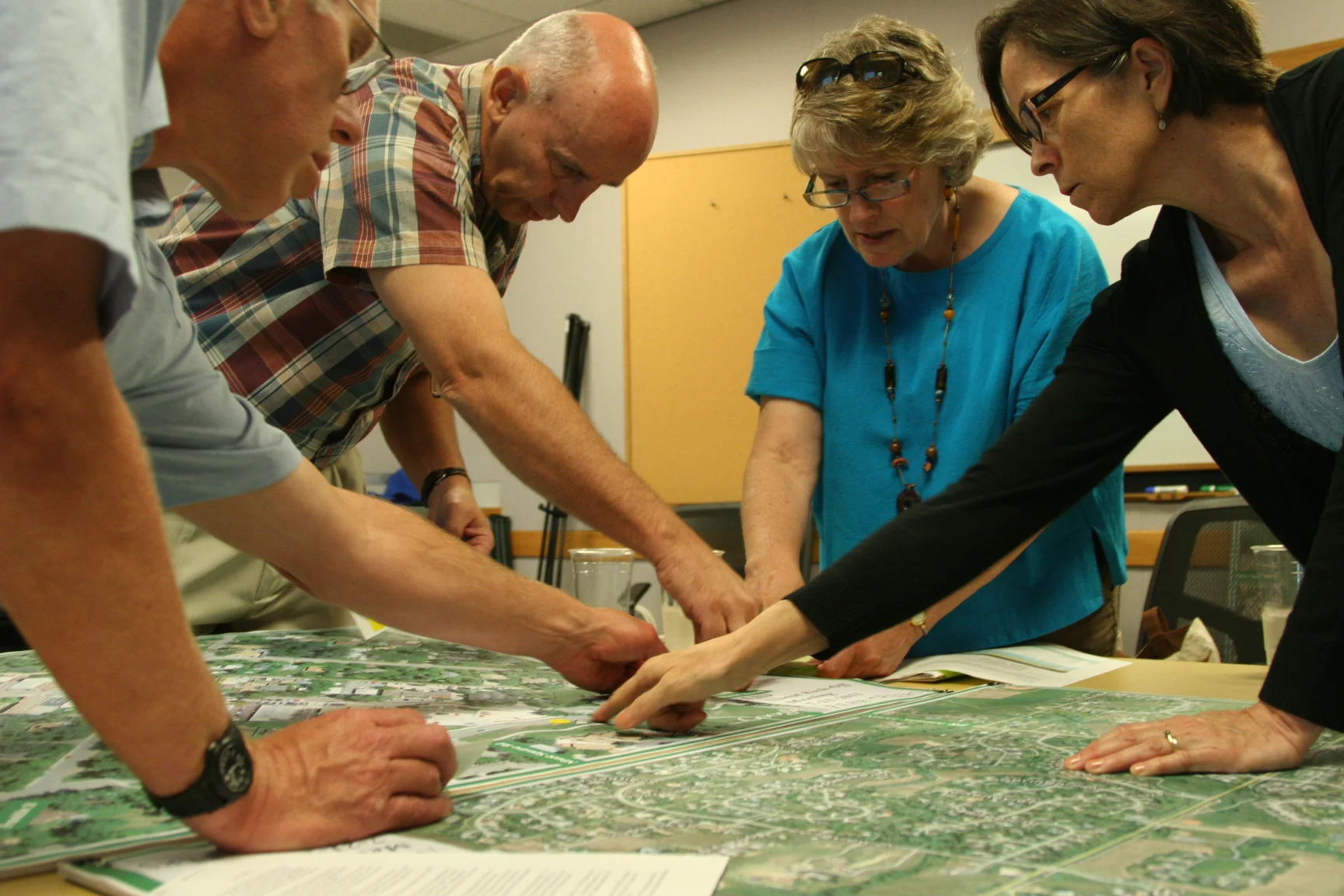
Niwot, CO faced the challenge of how to fund improvement projects without the capital available to municipalities. Story by Victoria McKennan and Carlos Hernandez.
Read More
With high level of public and private uses, Wasatch Canyons bring into focus the intersection of competing interests. Story by David J. Gellner.
Read More
Former Gov. Parris Glendening discusses the impact of changing demographics in his keynote address at the 2012 conference. Story by Rachel Girt.
Read More
WP Editorial Board Chair Brad Stebleton discusses how the idea for the WP took off like a Western wildfire.
Read MoreThrough this process, I have come across a comprehensive overview of the complexities of financing capital improvements: New Tools for New Times: A Sourcebook for the Financing, Funding and Delivery of Urban Infrastructure, by Casey Vander Ploeg published by the Canadian West Foundation, September 2006. I recommend this resource to any planner who is interested in getting either an overview of capital finance or developing an in-depth knowledge of various options and strategies for financing capital facilities.
Read MoreColumnist Brad Stebleton gives tips on how to write concise staff reports for planning commissioners.
Read MoreThe reason services are so costly in New York City, in spite of its density, is because the diseconomies of scale associated with its size outweigh the economies of density derived from its high density of development. These two different economic terms, “economies of scale” and “economies of density,” are often confused with each other.
Read MoreA book by Pamela Blais, Perverse Cities presents an excellent analysis of urban sprawl and why our planning efforts to curtail sprawl have tended to fail.
Read More
Hillary Hanson and Juliet Spalding write about how a community partnership helps improve transportation services in Montana.
Read More
Val John Halford takes a look at how Utah, the fourth fastest growing state, looks to change business as usual approach to land planning.
Read MoreA pioneer of planning in the West Lee Nellis offers insights.
Read More
The Tahoe Regional Planning Agency in Nevada works to update regional plan.
Read More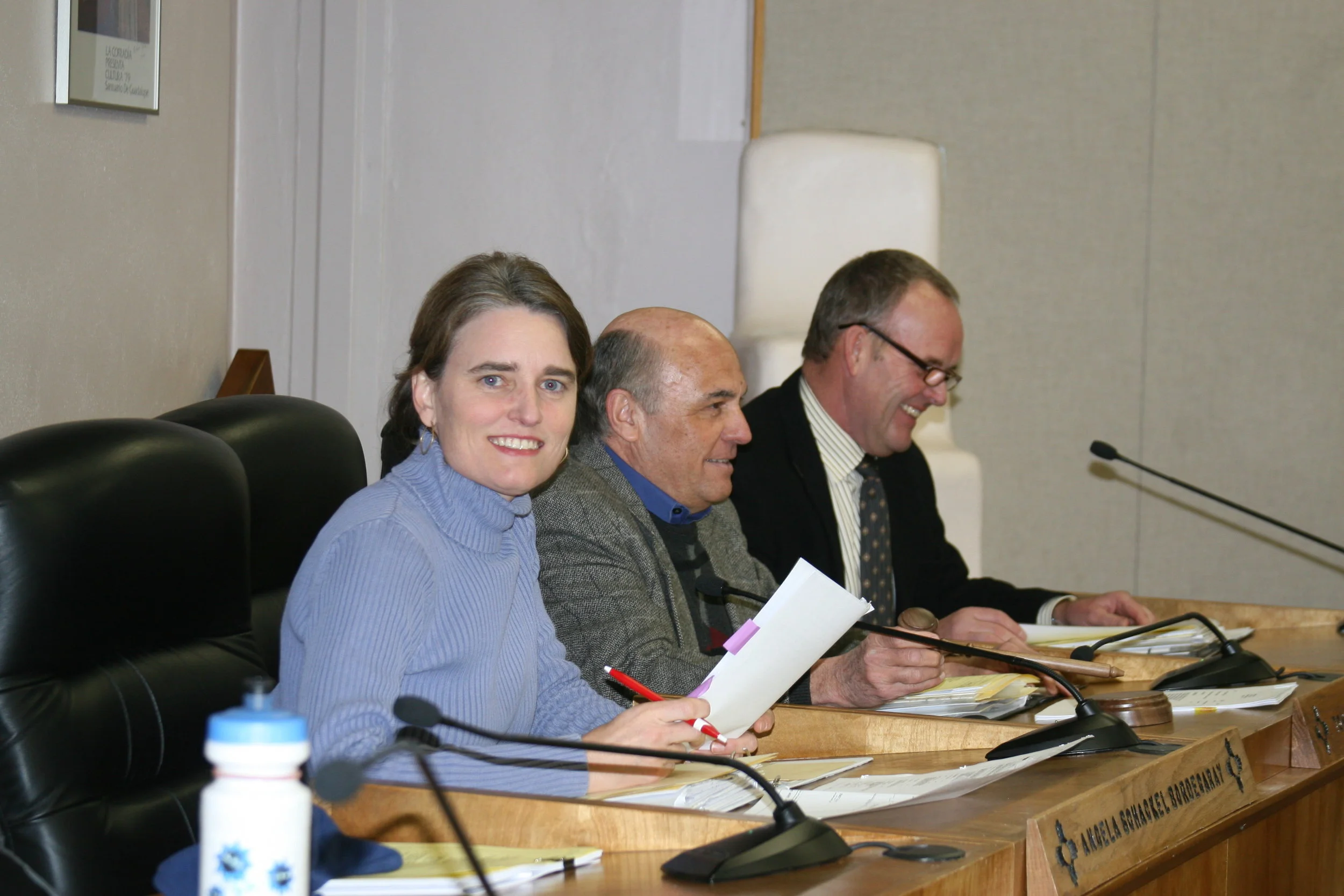
Angela Bordegaray discusses serving on local planning.
Read More